


TIMBER FIRE DOOR UPGRADES
Timber fire doors and frames operate the same as any other door; to provide access to and from rooms. However, where they differ significantly is their ability to resist attack from fire and thus prevent the spread of fire from one room to another. Where a fire wall is present to provide an adequate fire escape route, any door that exists within that wall must maintain the same fire resistance as the wall and thus preserve compartmentalization in the event of a fire.
Fire doors will typically have the following specification:
- Sufficient construction to resist fire for up to 120 minutes.
- Smoke and expansion strips within the frame or door which will expand in high temperatures to prevent the passage of fire and cold smoke.
- Fire rated hinges that will ensure the door does not collapse in a fire.
- A self-closing device to ensure that the door constantly returns to a shut position to maintain the fire compartment.
- Intumescent pads to all necessary ironmongery.
- Any installed glazing to be certified fire-rated and installed correctly with intumescent glazing tape.
Image source: www.hansonandbeard.co.uk
Examples

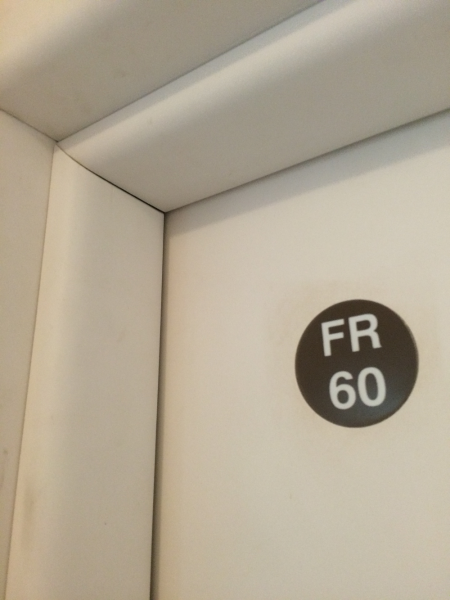
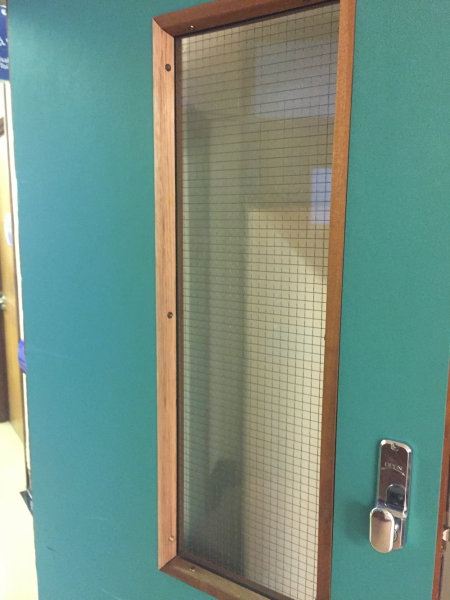

Why do fire doors need to be correct?
Fire doors are one of the critical last lines of defence in all building types that stop fires from travelling from an affected area into an area of escape. The Regulatory Reform Order (RRO), also known as the Fire Safety Order (FSO), was signed into law and came into force in 2006 and states that all fire doors have to be installed correctly and regularly maintained in order to comply with a fire strategy plan and ensure the safety of anyone within a building. The Approved Document B on fire protection within buildings (which can be viewed on our website) states similar requirements.
It must be stated that fire doors only work effectively when they are installed correctly, checked regularly and upgraded wherever necessary. This includes replacing fire or smoke strips when they are significantly damaged, replacing damaged hinges or glazing, and maintaining closers so that the fire door will shut fully when not in use. Independent companies such as the Fire Door Inspection Scheme frequently report on how often damaged fire doors go unnoticed until it is too late, see their website for further information and details on the importance of correctly maintained fire doors.
To see how effective fire doors are at preventing fires (and how an improperly maintained doors do not), please view the short video below sourced from the British Woodworking Federation (YouTube, 29 August 2014).